Neutral-location custom
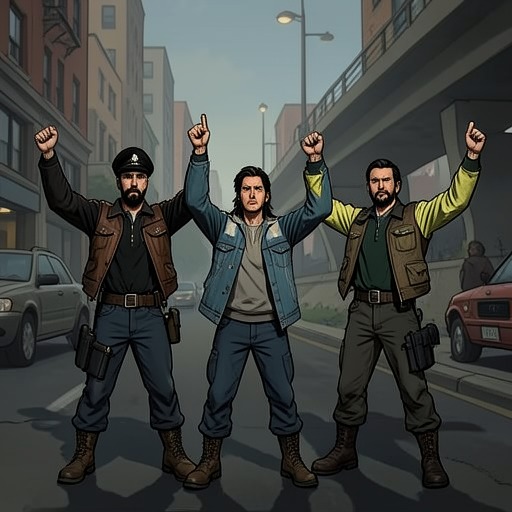
West Side StoryThe Neutral-location custom is the gangs’ practice of recognizing certain places as common ground, allowing rivals to meet or negotiate without first claiming the site for one side. It provides a limited way to manage encounters amid a struggle over territory, but it does not remove the conflict surrounding them. The community center’s history exposes the gap between being nominally open to everyone and functioning as genuinely shared space; the negotiations between Riff and Bernardo show how a neutral meeting place can instead serve as a staging point for an agreed confrontation.
Neutrality in a Divided Neighborhood
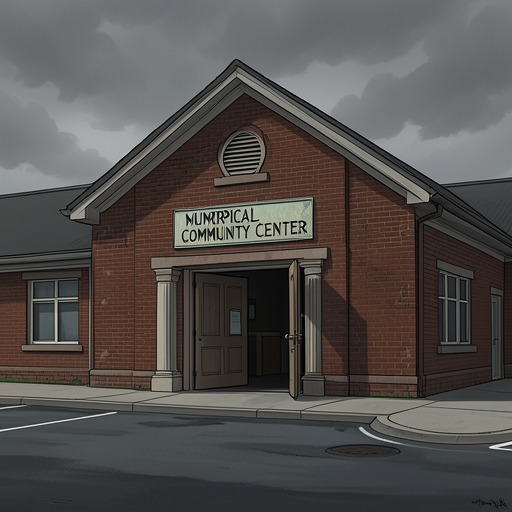
The Municipal Community Center began as a converted church offered to the city after its congregation had consolidated with another. The city developed clubs and activities intended to draw young people away from the street, and the building was formally open to the whole neighborhood. That universal invitation became the source of its difficulty: some established residents objected to the center welcoming Puerto Ricans, then kept away and discouraged their children from attending. Puerto Rican families, in turn, avoided a center boycotted by the Americans. Its rooms, clubs, books, games, and basketball court were left largely unused. The place was neutral in institutional intent, but the neighborhood’s divisions prevented that principle from becoming shared practice.
Gang territory gives this failure a sharper context. Action considers whether to challenge Riff for leadership, but sees an advantage in criticizing decisions without having to command the Jets himself. Riff, under that pressure, must work harder to keep the group cohesive. The Jets regard the growing presence of Puerto Ricans as a challenge requiring action, while other white gangs and Black groups keep their distance. Their patrols also leave them restless when nothing happens: on a second quiet night, Riff knows the men’s pent-up energy may turn against him. A neutral place can suspend territorial claims for a meeting, but it cannot resolve the forces that make territory and leadership so important to them.
The Community Center as a Meeting Ground
The Municipal Community Center is explicitly identified as neutral territory, and its frequent association with Schrank, Krupke, and other police officers is part of its significance. Riff decides to preserve that status rather than change it. He wants the Jets to appear to be there to dance and socialize, so he tells them to dress up and zip their jackets. Neutrality here is both a location rule and a matter of appearance: the group must enter under the cover of ordinary attendance rather than announce an immediate territorial challenge.
That arrangement does not mean the Jets have abandoned their rivalry with the Sharks. Riff hopes to find Tony, and if Bernardo is at the center, he intends to challenge him. The proposed neutral setting therefore contains two purposes at once: publicly, a dance and social gathering; privately, an opportunity for a confrontation. The presence of police makes the distinction especially consequential. The custom creates a setting where rival groups may be present without openly converting the venue into a battleground, but it offers no guarantee that their intentions are peaceful.
The Coffee Pot Agreement
When Bernardo and Riff arrange to meet, the choice of location becomes an explicit negotiation. Riff suggests a confectionery; Bernardo rejects a meeting near his own home and proposes the Coffee Pot instead, identifying it as neutral ground. He notes that Americans run the restaurant and jokes that they will not mind if the Sharks make themselves known there. The suggestion acknowledges that the site belongs to neither gang, while also keeping the encounter within a neighborhood shaped by ethnic distinctions.
Riff accepts the Coffee Pot and adds that there should be no trouble before the meeting. Bernardo gestures toward the Sharks and indicates that they know the rules, but his use of the term native carries contempt rather than uncomplicated recognition of a shared civic identity. The meeting place may be neutral by convention; the language and attitudes brought into it are not. The agreement depends on both sides observing a temporary boundary around violence, not on any reconciliation between them.
From Neutral Ground to a Chosen Battleground
The Coffee Pot serves as the neutral point from which the leaders can settle the conditions of a later encounter. Riff asks whether the contest should take place in the park or by the river. Bernardo proposes the ground beneath the highway, and Riff accepts it with a nod. That choice marks a distinction between neutral-location custom and the separate decision about where a fight will occur: the Coffee Pot is proposed as a place to meet, while the underpass is accepted as the field of battle.
The decision follows Riff’s argument that the Jets should end the repeated attacks on their territory with one large, decisive fight. He dislikes the Sharks’ practice of striking in small groups and fleeing, and is willing to face whatever methods the Sharks choose. Baby-John argues instead for fists or stones rather than knives or guns, urging a fair fight as a way to expose the other side if it fights dishonorably. That proposal concerns the conduct of the confrontation, not the neutrality of its location. Together, the negotiations and the competing proposals show the custom’s narrow reach: agreed places and rules can organize an encounter, but they do not stop territorial hostility from carrying the gangs from negotiation toward violence.